Business
London Restaurants Face Supply Chain Crisis in 2026
London's West End and Canary Wharf hospitality venues report 8-12% footfall decline as geopolitical shocks drive up costs. How restaurants are adapting.
2 min read
Business
London's West End and Canary Wharf hospitality venues report 8-12% footfall decline as geopolitical shocks drive up costs. How restaurants are adapting.
2 min read
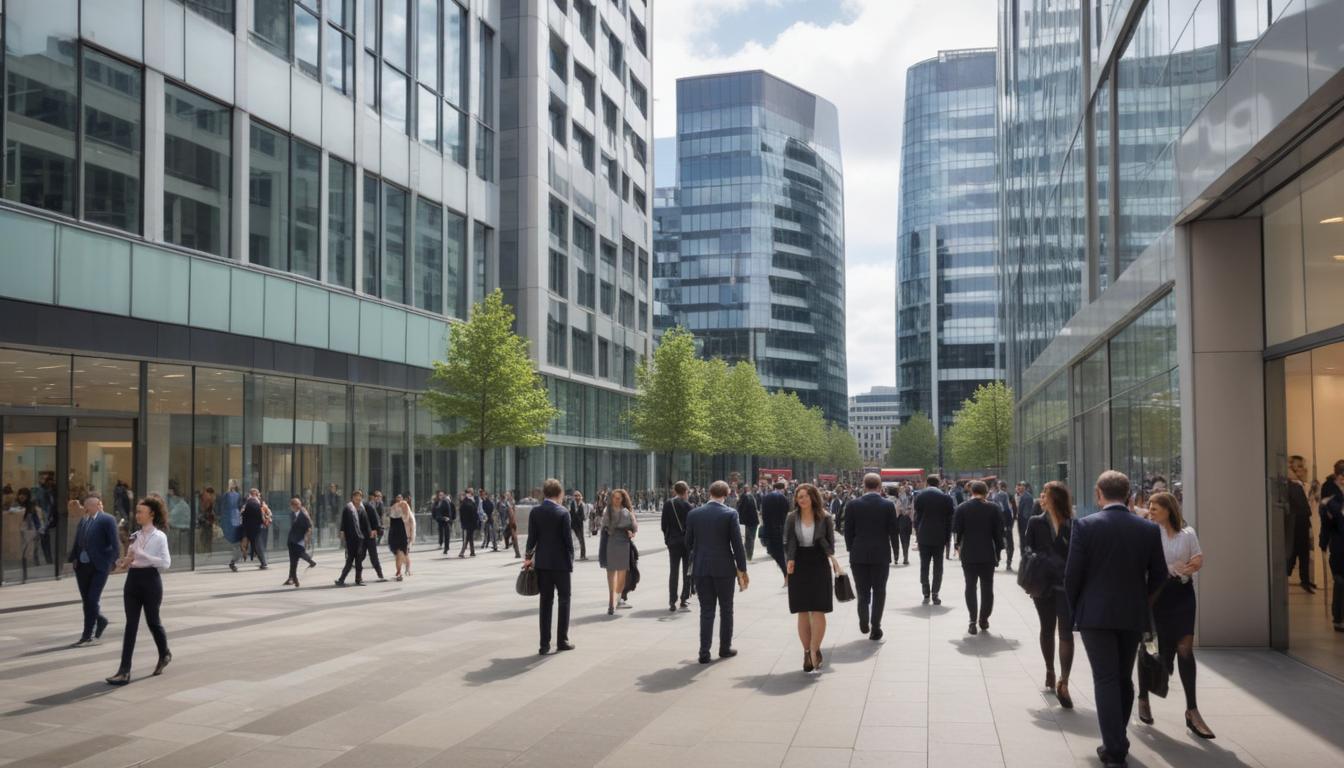
London's hospitality and retail sectors are bracing for a turbulent second half of 2026 as geopolitical shocks ripple through global supply chains and dampen consumer spending. Industry leaders across the West End and Canary Wharf say the convergence of crises—from humanitarian disasters to regional conflicts—is creating a perfect storm of rising costs and shrinking customer bases precisely when margins are already thin.
The impact is tangible on Regent Street and Bond Street, where hospitality venues report foot traffic down 8-12% compared to this time last year, according to the British Retail Consortium. Venezuelan economic turmoil has spiked cocoa and chocolate prices by 18% since spring, forcing premium chocolatiers and dessert-focused restaurants to absorb costs or risk alienating price-sensitive diners. A Mayfair pastry chef noted privately that sourcing single-origin Venezuelan cacao has become logistically impossible; many have switched suppliers to West African producers at higher cost.
Energy prices, meanwhile, are creeping upward again. Tensions in the Middle East have unsettled oil markets, and while petrol station forecourts tell one story, restaurant operators—dependent on gas for kitchens and heating—are watching their utility bills climb. A gastropub operator in Shoreditch estimates a 6% rise in quarterly energy costs since spring, a figure that amplifies through the sector.
Consumer confidence is equally fragile. The Bank of England's latest data shows discretionary spending by affluent Londoners has flattened, whilst international tourist arrivals—vital for luxury hospitality—remain volatile. Venues in the South Bank and around Leicester Square, historically reliant on global visitors, are reporting softer booking patterns.
Yet the picture is not uniformly bleak. Mid-market chains and independent operators focusing on value-for-money offerings are holding up better. Pubs and casual dining spots in Clapham, Bethnal Green, and Brixton continue to attract local regulars, even as fine dining struggles. The British Hospitality Association reports that budget-conscious venues have seen resilience in footfall, suggesting a bifurcated market.
Trade associations are urging members to lock in supply contracts where possible and diversify sourcing. The London Independent Restaurant Association has convened working groups to help smaller operators navigate procurement challenges and manage staffing costs amid wage pressure.
For now, London's hospitality sector is navigating an unpredictable global environment with pragmatism and caution—holding margins tight, managing inventory carefully, and hoping that autumn brings both stability and shoppers back to the high streets.
This article was compiled by AI from the sources linked above and screened before publishing. See our editorial standards.
Business
Business
Business
Business
About this article
Published by The Daily London
Spread the word
Daily brief
Free, in your inbox before 7am. Weekdays.
The Daily Network — independent news worldwide