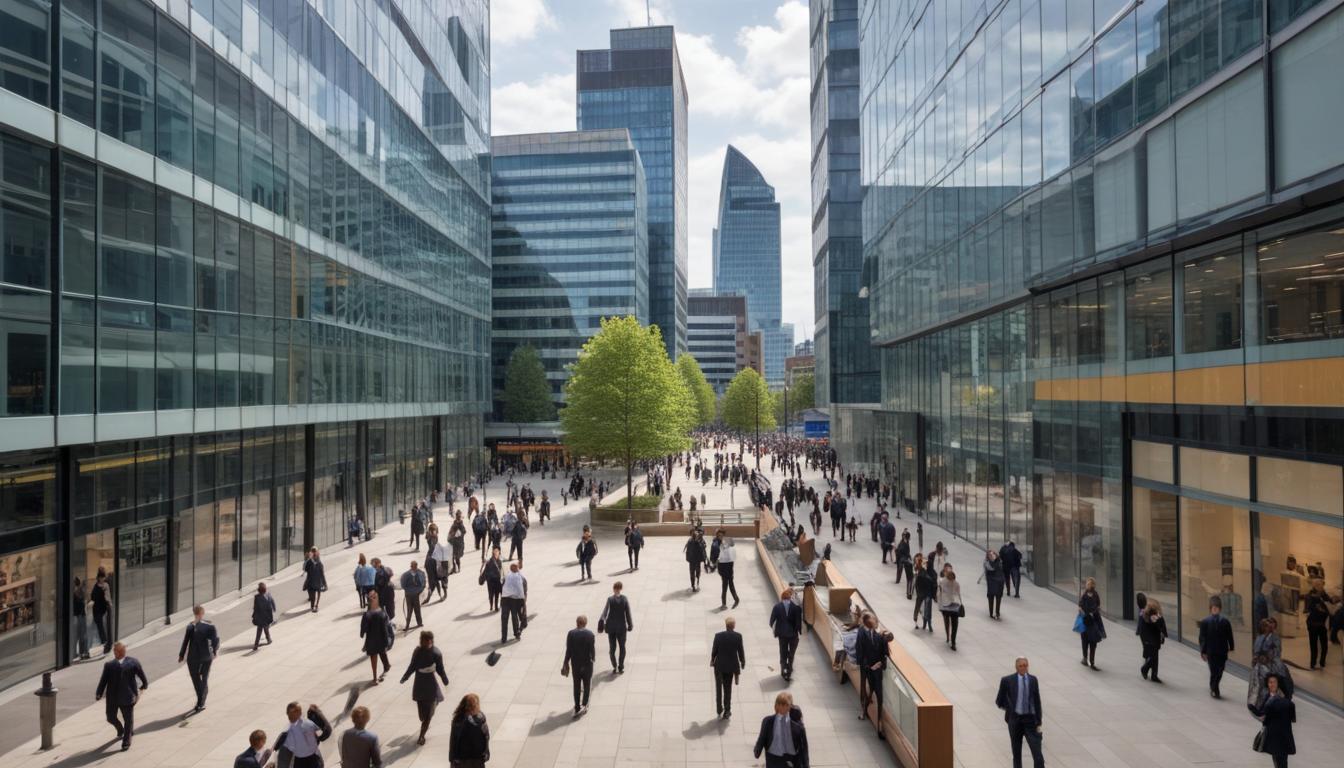
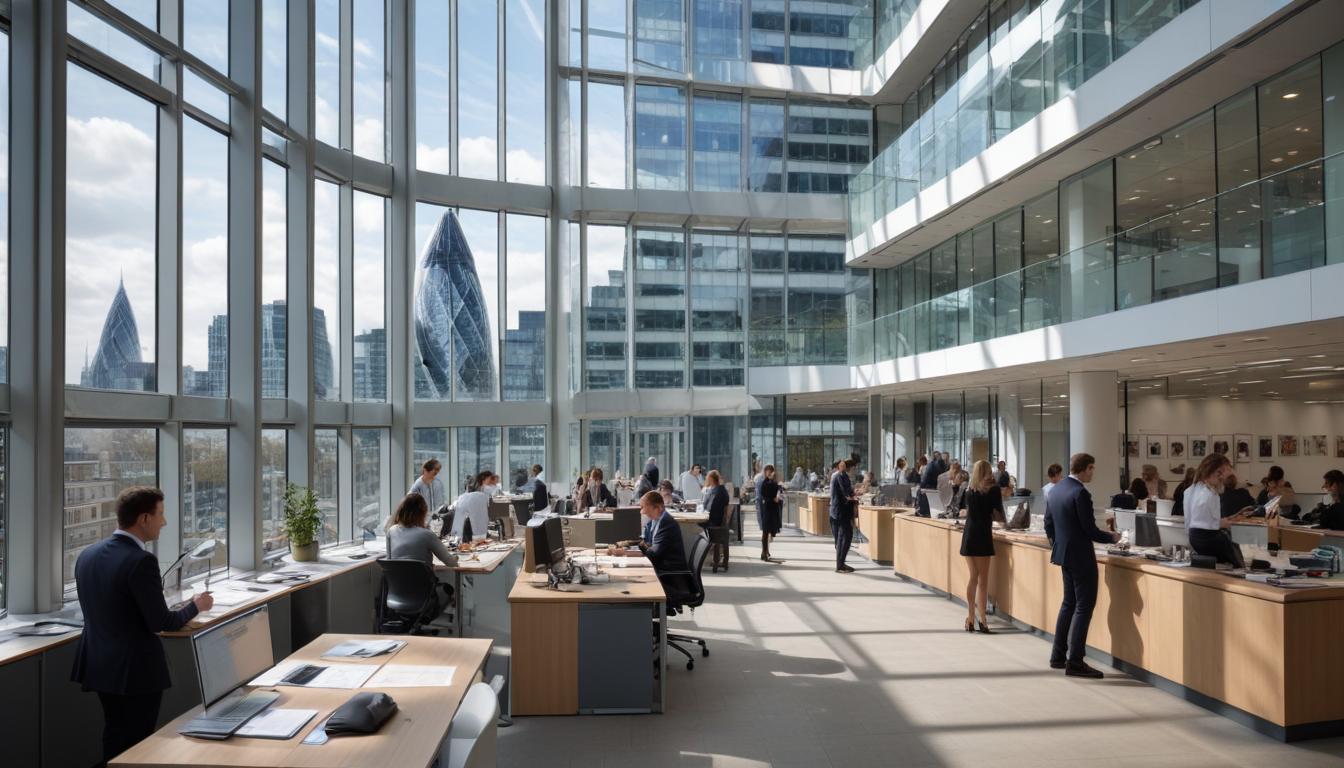
Walk through the financial district around Canary Wharf or into the bustling offices along Leadenhall Street, and you'll find international trade professionals grappling with an unprecedented convergence of headwinds. As we move into the second half of 2026, London's trading houses, shipping firms and export-focused businesses are confronting a landscape that has become measurably more hostile than just twelve months ago.
The numbers tell a stark story. Trading volumes through London's major ports have contracted by 7.2% year-on-year, according to recent port authority data, whilst shipping costs from the Thames to key Asian markets remain elevated at levels not seen since 2022. Meanwhile, tariff uncertainty continues to reverberate through supply chains. Companies operating from business hubs in Shoreditch to Mayfair are facing unpredictable duty schedules that make forward planning nearly impossible.
The situation is compounded by geopolitical fractures rippling across traditional trading corridors. Middle East tensions have disrupted shipping routes that hundreds of British importers depend upon. Pakistan-Afghanistan instability threatens logistics networks that feed into European distribution hubs. Venezuela's economic collapse has disrupted commodity markets. These aren't abstract concerns—they directly impact the cost and reliability of goods flowing through London's warehouses and distribution centres.
"We're seeing clients make contingency plans they wouldn't have dreamed of two years ago," explains one senior figure at a major City law firm specialising in trade, speaking on condition of anonymity. Insurance costs for shipments have climbed 15-20% at some brokers. Businesses are exploring nearshoring alternatives, stockpiling inventory at considerably higher carrying costs, and renegotiating supplier agreements at unfavourable terms simply to secure supply certainty.
The impact cascades through London's business ecosystem. Smaller traders and export specialists who operate from co-working spaces in Bethnal Green and King's Cross are being squeezed hardest, lacking the capital reserves of multinational corporations to absorb these pressures. Trade finance specialists report increased demand for their services—a sign that businesses are struggling to navigate payment and credit complexities in this fractured environment.
Yet there are pockets of opportunity. Some London-based firms are repositioning themselves within emerging trade blocs and exploring African market corridors as alternatives to traditional routes. Logistics specialists are investing in redundancy and flexibility rather than efficiency-focused supply chains.
The consensus among traders is clear: 2026 will be a year of adaptation, higher costs, and reduced margins. For London's internationally-focused businesses, survival means becoming considerably more nimble than the relatively stable trading environment of previous years demanded.
This article was compiled by AI from the sources linked above and screened before publishing. See our editorial standards.