East London Street Art: How Artists Transformed Shoreditch & Hackney
Discover how East London's artist collectives turned industrial spaces into world-renowned street art destinations. A two-decade story of creative transformation in Shoreditch and Hackney Wick.
This article was generated by AI from the linked public sources. The Daily London is independently owned and covers London news free from advertiser or sponsor influence. Read our editorial standards →
Walk down Brick Lane on any given Saturday, and you'll encounter tourists snapping selfies against kaleidoscopic murals that seem to shift with the light. Few realise these walls represent something far more deliberate than spontaneous creativity: they're the result of a carefully orchestrated movement that began in the early 2000s, when a handful of artists decided London's neglected industrial spaces deserved transformation.
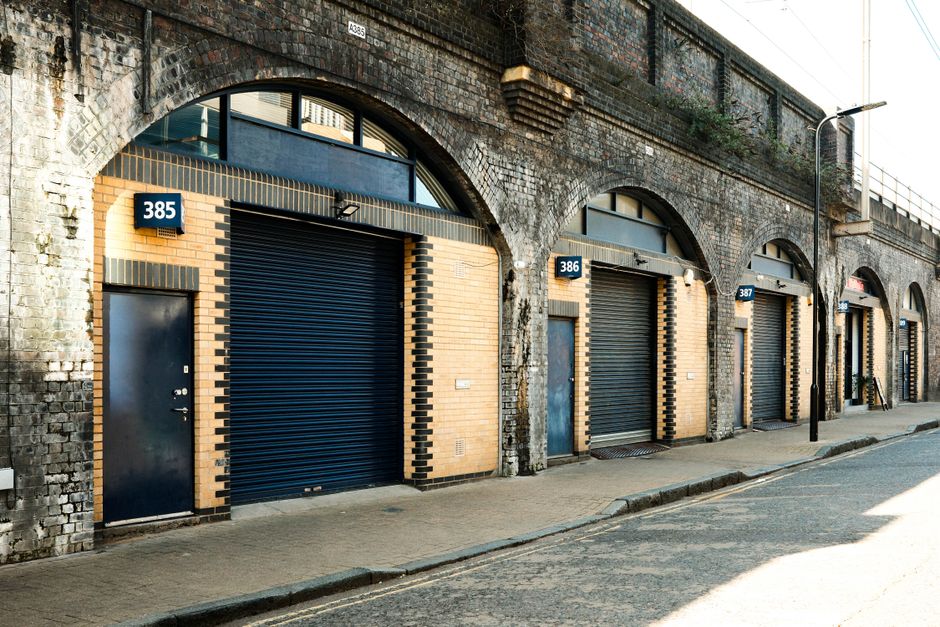
The story begins with crews like Roa, Clet Abraham, and local collectives who occupied the grey corridors of Shoreditch and Hackney Wick when commercial galleries still looked elsewhere. "The warehouses were being demolished," recalls the evolution documented by organisations like the Hackney Wick Artists Association, established in 2003 to formalise what had been purely grassroots practice. What started as unsanctioned interventions gradually became a cultural phenomenon that now drives property values and tourism—a double-edged sword that has reshaped entire neighbourhoods.
Today, the economics tell the tale. Shoreditch's creative industries cluster generates approximately £2.1 billion annually for London's economy. Street art credibility has become currency; landlords now commission murals deliberately, paying established artists £3,000 to £8,000 per wall. The irony isn't lost on the original pioneers. What was once an act of defiance against commercialism has become systematised, professionalised, and, to some, domesticated.
Yet the scene remains generative. Spaces like Boxpark Shoreditch and the Whitecross Street area continue hosting emerging talent through formal platforms, while Hackney Wick—still relatively raw despite gentrification pressures—retains pockets of experimental practice. The Canal Riva Project and similar initiatives connect artists with community projects, creating work that moves beyond Instagram aesthetics.
What distinguishes London's street art districts from generic creative zones is their genealogy. These aren't theme-park recreations of authenticity but living archives of a specific creative rebellion. The artists who painted those early Brick Lane walls didn't anticipate they'd become heritage; they were simply insisting that public space belonged to imaginative people, not property interests.
As London enters 2026, the question isn't whether street art has triumphed—clearly it has. Rather, it's whether the next generation of creators will find spaces to experiment, fail, and develop craft without immediate commercial pressure. That tension, unresolved since Shoreditch's first unofficial renaissance, remains the truest marker of the scene's vitality.
This article was compiled by AI and screened before publishing. See our editorial standards.
Covering culture in London. This article was generated by AI from the linked sources and was not reviewed by a human editor before publishing. See our editorial standards.