Live Music Venues London: Shoreditch to Southwark Guide
Discover how London's live music venues are reshaping neighbourhoods from Brick Lane to Elephant and Castle. Explore where to hear live performances across the capital.
3 min read
Discover how London's live music venues are reshaping neighbourhoods from Brick Lane to Elephant and Castle. Explore where to hear live performances across the capital.
3 min read
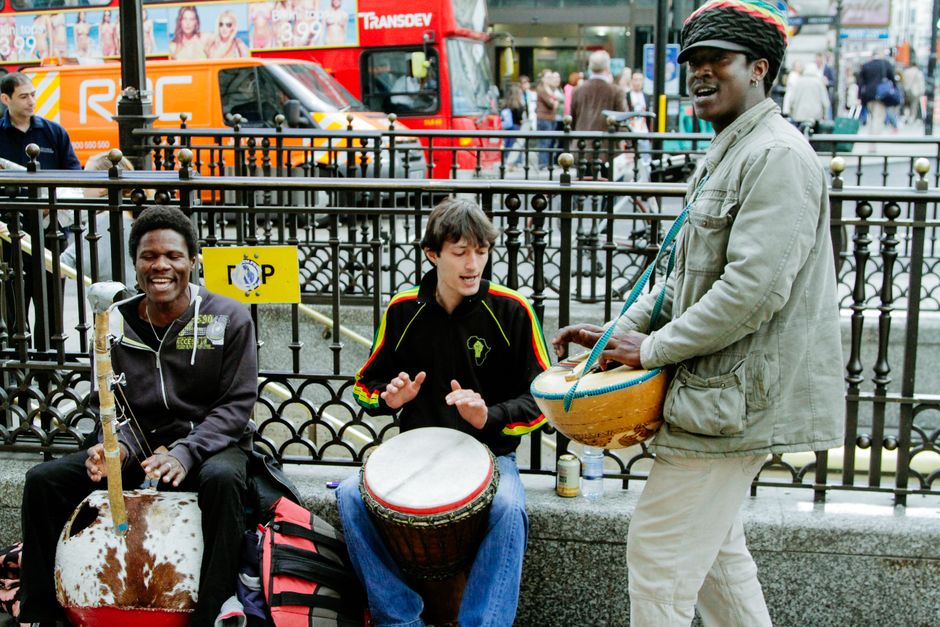
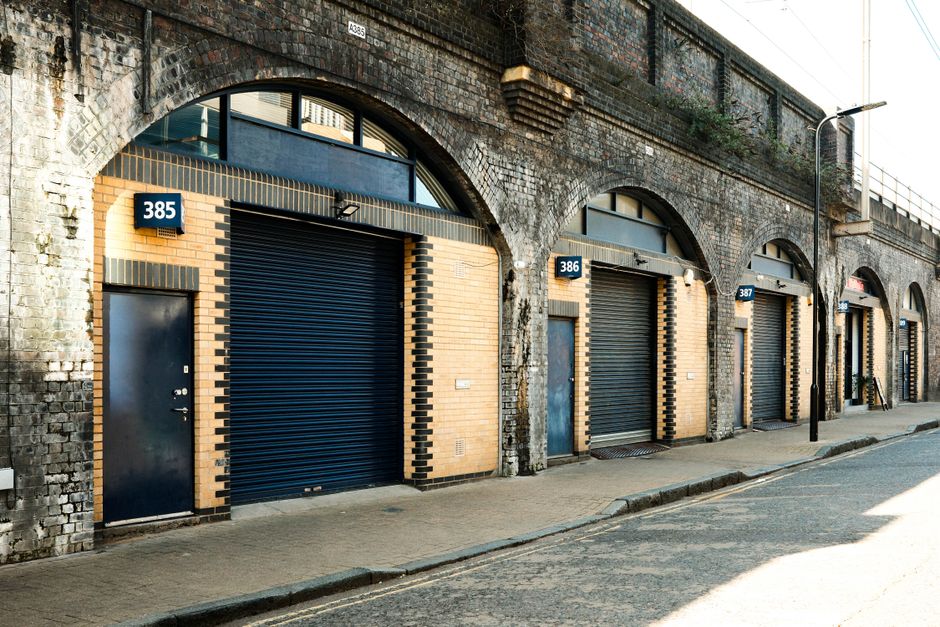
Walk down Brick Lane on a Friday night and you'll encounter the hum of five different genres bleeding through pub walls. Cross the river to Elephant and Castle, and converted railway arches pulse with electronic beats. This is contemporary London: a city where live music venues have become as defining to its character as its medieval streets and Georgian squares.
The numbers tell a compelling story. According to Visit London's 2026 cultural audit, music venues now account for nearly 18% of the capital's entertainment economy, generating approximately £2.1 billion annually and supporting over 12,000 jobs across management, hospitality, and technical roles. More significantly, venues have become anchors for neighbourhood identity in ways that would have seemed unimaginable a decade ago.
The shift is most visible in East London. XOYO in Shoreditch, once a fringe venue, now hosts artists on the precipice of global stardom. But the real transformation has happened at grassroots level—the Jazz Café in Camden, Printworks in Clapham, and the sprawling Electric Ballroom continue to define their neighbourhoods' cultural cachet. Younger Londoners increasingly choose where to live based on proximity to music infrastructure, reshaping property values and community composition from Hackney to Brixton.
What's particularly striking is how venues have evolved beyond entertainment spaces into cultural institutions. The Southbank Centre's outdoor terraces now host ticketed concert series that draw tourists and locals alike. Smaller venues in Bethnal Green and Peckham have become laboratories for experimental music and emerging artists, functioning as creative incubators rather than mere commercial enterprises.
The pandemic tested this ecosystem severely. Between 2020 and 2023, approximately 40% of London's smaller independent venues closed permanently. But the recovery has been remarkable. New venues have opened across traditionally underserved areas: Lewisham, Stratford, and even outer boroughs like Waltham Forest now host regular programming. This democratisation of live music access is reshaping how Londoners—particularly those without central London salaries—experience their city's cultural offerings.
The economic impact extends beyond ticket sales. Venues stimulate late-night transport use, boost surrounding hospitality businesses, and attract investment in previously overlooked neighbourhoods. A venue opening typically signals neighbourhood gentrification, for better and worse, raising questions about cultural sustainability and community displacement that London's planners are grappling with.
What emerges from this landscape is clear: live music has become intrinsic to how London defines itself. No longer peripheral entertainment, venues are now the connective tissue between neighbourhoods, generations, and cultures. In a fragmented city, live music offers something increasingly rare—shared, embodied experience that transcends screens and algorithms.
This article was compiled by AI and screened before publishing. See our editorial standards.
About this article
Published by The Daily London
Spread the word
Daily brief
Free, in your inbox before 7am. Weekdays.
Before you go
The day's London news in a 2-minute read. Free, weekday mornings.