London Underground Restaurants: How Chefs Built the Scene
Discover how London's most talked-about restaurants evolved from warehouse squats and supper clubs. The untold story of visionary chefs who transformed the city's dining culture.
2 min read
Discover how London's most talked-about restaurants evolved from warehouse squats and supper clubs. The untold story of visionary chefs who transformed the city's dining culture.
2 min read
In 2008, when a collective of young chefs and entrepreneurs began hosting underground supper clubs in a converted textile factory on Redchurch Street in Shoreditch, nobody was calling it the future of London dining. They were just hungry—literally and figuratively—for something that didn't exist: restaurants where the boundary between kitchen and table, chef and guest, dissolved entirely.
Today, that experimental spirit has matured into something tangible. London's restaurant scene, ranked among the world's finest, was built not by corporate chains but by individuals willing to bet their savings, sanity and social lives on spaces that felt necessary rather than profitable. The story of how we got here is less about culinary technique and more about urban courage.
Take Peden + Munk's journey. What began as a pop-up operation in Bethnal Green in 2014, run by two friends working service industry jobs by day, evolved into a permanent restaurant that prioritises ingredient-driven cooking over spectacle. Their model—small covers, premium prices (mains around £28-35), obsessive sourcing—has since been replicated across King's Cross, Dalston and Peckham. But they did it first, and without a business plan most banks would have touched.
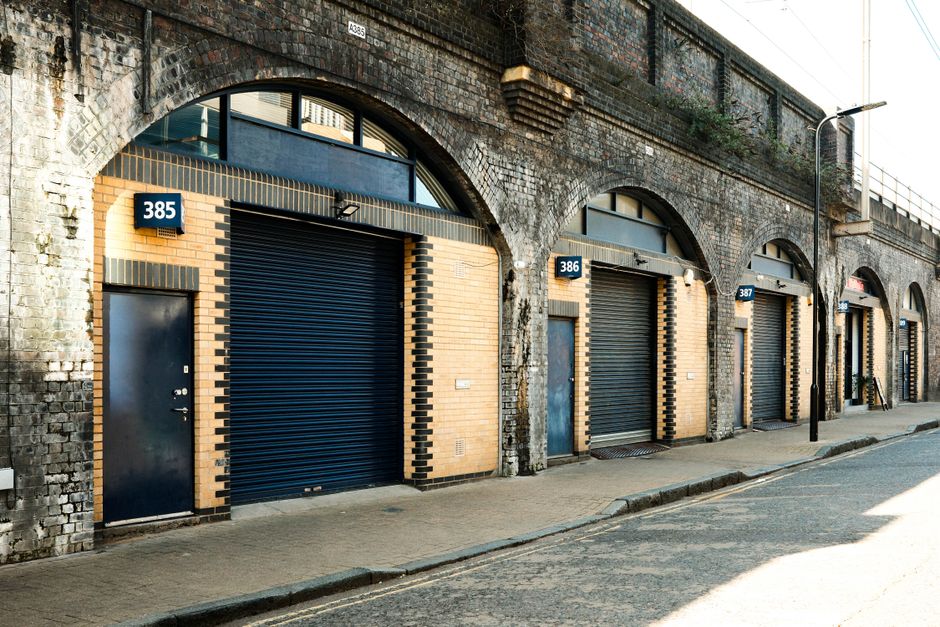
The same applies to the collective consciousness that transformed Borough Market's periphery and the arches beneath the railway lines in SE1. These spaces attracted not just chefs but community builders—people like the founders of Levan in Bethnal Green, who built a restaurant around genuine hospitality rather than Instagram potential. Their decision to serve a single, €65 tasting menu reflected a philosophy: trust the chef, commit to the experience, reject choice paralysis.
What's often overlooked is the infrastructure work. The emergence of London's food scene depended on enablers: suppliers like Paul Merrett's network in Borough, who connected restaurants with small-scale farmers; food writers who took risks on unknowns; landlords in unfashionable postcodes willing to lease to experimental ventures. By 2025, this ecosystem had matured so thoroughly that London hosted more Michelin-starred establishments than any comparable global city.
Yet the current moment demands reflection. As rents climb and venture capital circles the remaining independent spaces, the original spirit—the scrappy, community-first ethos—risks commodification. The visionaries who created this scene were motivated by something beyond profit margins. Understanding that distinction matters enormously if we want the next generation of dining innovation to emerge from London's creative margins rather than corporate boardrooms.
This article was compiled by AI and screened before publishing. See our editorial standards.
About this article
Published by The Daily London
Spread the word
Daily brief
Free, in your inbox before 7am. Weekdays.
Before you go
The day's London news in a 2-minute read. Free, weekday mornings.