Best Galleries in London 2026: Complete Guide
Discover free and paid art galleries across London, from Millbank's iconic Tate Modern to cutting-edge Hackney spaces. Extended hours, new venues, and what's on now.
2 min read
Discover free and paid art galleries across London, from Millbank's iconic Tate Modern to cutting-edge Hackney spaces. Extended hours, new venues, and what's on now.
2 min read
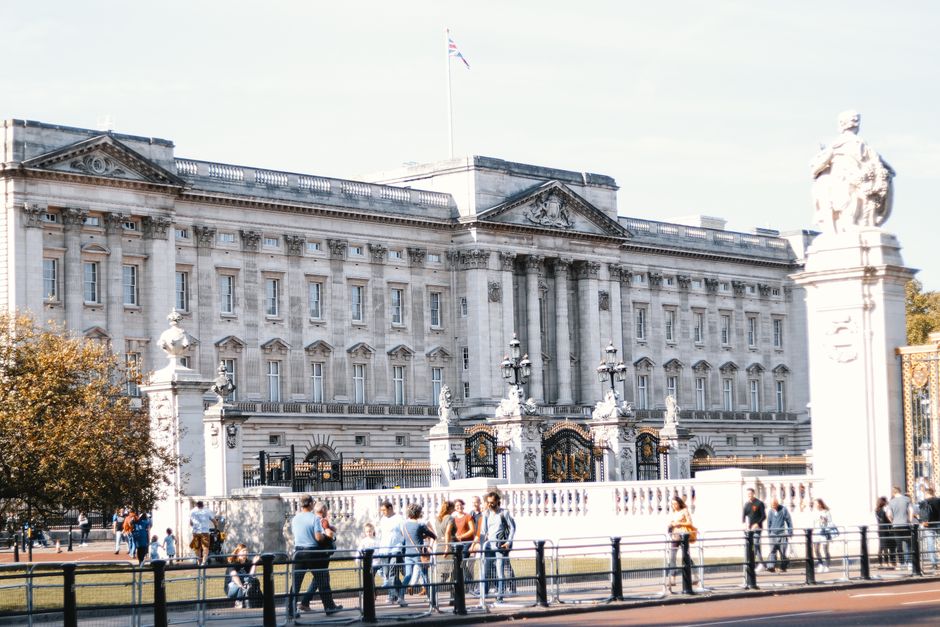
London's gallery and museum landscape has undergone a seismic shift over the past eighteen months, with spaces reopening to crowds after years of disruption, new venues launching across unexpected neighbourhoods, and permanent collections reshuffled to reflect contemporary conversations. For anyone planning a visit—whether your first or your fiftieth—here's what you need to know before stepping through those doors.
Start with the fundamentals: the "Big Three" institutions on Millbank—the Tate Modern, Tate Britain, and the V&A—remain free to enter, though temporary exhibitions carry charges typically between £16 and £22. Both Tate locations have extended their opening hours to 10pm on selected weekends, a response to visitor demand that's proving transformative. The National Gallery on Trafalgar Square similarly offers free permanent collection access, making strategic culture-hopping genuinely affordable for budget-conscious visitors.
But the real revelations lie beyond these household names. Whitechapel Gallery in the East End has become a magnet for serious contemporary art pilgrims, while the Barbican's hybrid programming—blending visual art, music, and theatre—offers something you won't find replicated elsewhere in the city. For first-time visitors, don't sleep on the Serpentine Galleries in Hyde Park, where free exhibitions in a deliberately intimate space often outthink better-funded neighbours.
Neighbourhoods matter enormously right now. Hackney's gallery quarter, clustered around Broadway Market and stretching towards Stoke Newington, has consolidated itself as London's most dynamic emerging arts district. Independent spaces here—many artist-led and operating on modest budgets—showcase work you simply won't see in the West End. Similarly, Peckham's South London gallery renaissance continues to deepen, with the area's warehouse conversions and independent venues offering raw, experimental programming.
Practically: book timed tickets online for major exhibitions to avoid queues that can stretch 90 minutes during peak hours. Weekday visits between 10am and 1pm offer substantially shorter waits. Many institutions now offer "pay what you wish" hours on specific afternoons—check individual websites, as these vary seasonally.
Most crucially, abandon the idea that London's art scene operates on a predictable circuit. The city's 2026 gallery ecology rewards curiosity and serendipity: stumbling into an unexpected Shoreditch artist's studio, discovering a popup in a Bloomsbury basement, or catching a guerrilla exhibition announcement on local social feeds often yields richer experiences than the blockbuster shows that fill marketing budgets. London's arts landscape rewards explorers.
This article was compiled by AI and screened before publishing. See our editorial standards.
About this article
Published by The Daily London
Spread the word
Daily brief
Free, in your inbox before 7am. Weekdays.
Before you go
The day's London news in a 2-minute read. Free, weekday mornings.