New Voices, Old Stories: The Young Historians Reshaping London's Cultural Identity
A generation of emerging curators, artists and archivists are reclaiming overlooked narratives in East London, challenging how the capital understands its own past.
This article was generated by AI from the linked public sources. The Daily London is independently owned and covers London news free from advertiser or sponsor influence. Read our editorial standards →
Walk through Whitechapel on any given Saturday and you'll find them: young curators hunched over local records at the Whitechapel Gallery, emerging archivists digitising oral histories in cramped Bethnal Green studios, artists reconstructing forgotten Victorian terraces through immersive installations. They represent a quiet revolution in how London's cultural institutions are being reshaped from within.
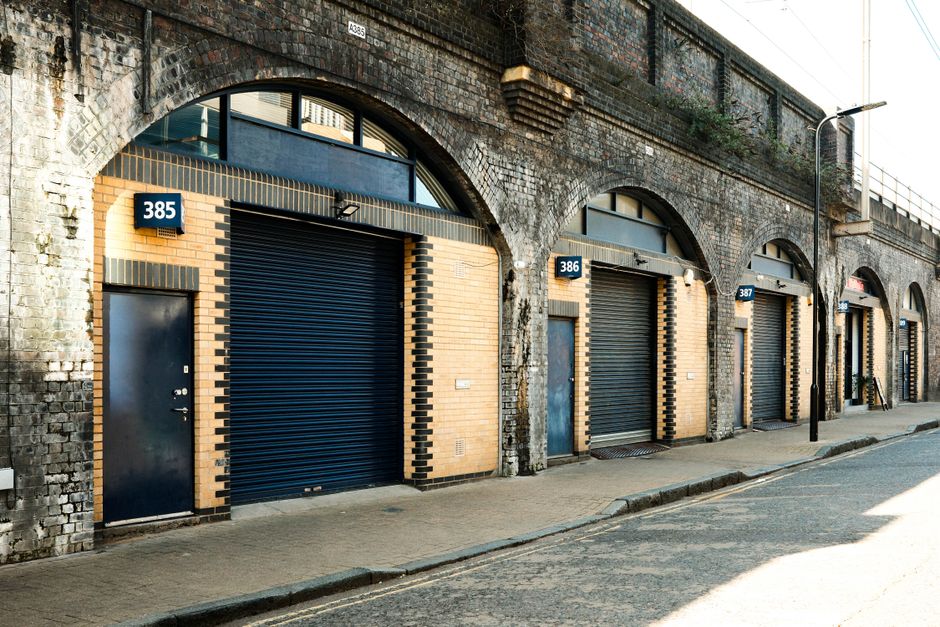
This emerging wave differs fundamentally from their predecessors. Rather than centralising heritage in the grand institutions of the West End, they're operating from neighbourhood bases—independent galleries in Hackney Wick, community centres in Stratford, the newly renovated archives at Tower Hamlets Local History Library. The shift reflects both economic reality and ideological choice. Museum internships pay £18,000 to £22,000 annually; freelance curation and community-led projects often offer more flexibility and deeper local roots.
The numbers tell a story. According to the Museums Association's 2025 survey, 64% of new heritage professionals in London are under 35, with over half based outside Zone 1. They're not pursuing traditional curatorial tracks at major institutions but instead building collaborative networks—collectives like the Hackney Pirates, the Peckham Archive Project, and the Community Histories Institute near King's Cross are reshaping how cultural memory is preserved and presented.
What distinguishes this cohort is their refusal to treat heritage as passive preservation. They're asking difficult questions about representation, working with migrant communities in Elephant & Castle to document post-1945 immigration; collaborating with artists to reframe industrial heritage in places like Stratford as living culture rather than nostalgic ruin; using digital tools to make East London's Jewish and Huguenot histories accessible beyond academic circles.
The commercial galleries are taking notice. Venues like Ropewalk in Whitechapel and the newly expanded space in Dalston are increasingly commissioning work from this emerging talent pool, recognising that younger audiences—particularly across South and East London—want participatory cultural experiences, not curated distance.
Funding remains precarious. The Arts Council's recent grants favoured larger institutions, though new community investment schemes in Newham and Hackney are beginning to shift support toward grassroots initiatives. Yet momentum persists. These emerging voices are proving that London's cultural future isn't determined by institutional tradition but by the stories communities choose to tell about themselves.
This article was compiled by AI and screened before publishing. See our editorial standards.
Covering culture in London. This article was generated by AI from the linked sources and was not reviewed by a human editor before publishing. See our editorial standards.