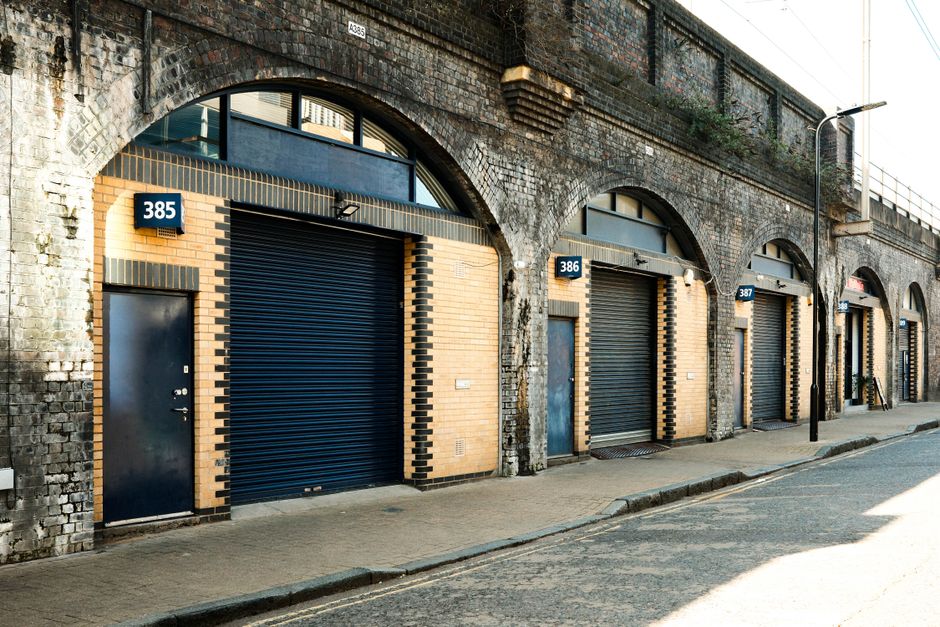
Walk through the converted Victorian warehouses of Hackney Wick on a Friday evening, and you'll find something quietly revolutionary happening. Behind unmarked studio doors, emerging fashion designers are cutting patterns, debating colour palettes, and building the brands that will define British fashion for the next decade. Yet their stories—the struggles, the breakthroughs, the human architecture that supports creative ambition—rarely make it into fashion coverage.
The shift reflects a broader transformation in London's creative industries. According to the Greater London Authority, fashion and design now contribute £18.3 billion annually to the capital's economy, yet the infrastructure supporting emerging talent remains fragile. Small studios in areas like Dalston and Bethnal Green pay £800 to £1,200 monthly for shared workspace, a figure that forces many young designers to choose between artistic integrity and financial survival.
Enter the mentorship networks and collective studios reshaping this equation. The Fashion Innovation Agency, based near King's Cross, has since 2020 guided over 200 emerging designers through business development, supply-chain ethics, and sustainable production. Their model—pairing designers with established industry veterans—addresses a critical gap: most fashion graduates leave Central Saint Martins or the Royal College of Art with creative skills but little understanding of how to actually build a sustainable business.
Sarah Chen, who now runs an independent label from a shared studio on Rivington Street, credits such mentorship with her transition from freelancer to founder. "Without guidance, you're learning through expensive mistakes," she explains—a reality facing many in the sector. The average British fashion designer earns £28,000 annually, according to the British Academy, yet startup costs for a debut collection can exceed £15,000.
What's driving change is a deliberate ecosystem-building effort. Local authorities have begun supporting affordable workspace initiatives; cultural organisations like the Design Museum have launched public-facing exhibitions about the creative process itself; and younger designers are increasingly collaborative rather than competitive, sharing sourcing contacts and production knowledge across Shoreditch studios and Peckham workshops.
The real story, then, isn't about individual designers but about the quiet infrastructure—the mentors taking unpaid hours, the studio landlords offering flexibility, the peers sharing hard-won knowledge—that makes creative ambition possible. As London continues positioning itself as a global creative capital, recognising these foundational relationships may matter more than celebrating the finished garment.
This article was compiled by AI and screened before publishing. See our editorial standards.